How I Found The Whole Truth(and Why It Stuck)
I didn't discover The Whole Truth through an Instagram ad or a friend's recommendation. I found it because my body forced me to start reading food labels properly.
In 2019, after years of long working hours and compounding stress, I got hit with a wave of anxiety. Yes, yes! I hate to admit it, but it happened. On May 4th, it turned into a severe panic attack.

The kind where your brother has to rush you to Medanta at night, and you spend the whole night there, convinced something is terribly wrong. The doctor ran tests, said my potassium was low, asked me to eat more potassium-rich foods like potatoes, prescribed Vitamin D3, and told me I was fine.
I wasn't convinced. I kept going back for specialist visits, more tests, until the cardiologist, probably just to get me to stop showing up, put me on a Holter monitor for 24 hours. I wore it to the office under my clothes, waiting for proof that something was wrong. The proof never came. I was fine.
But that panic attack rewired how I thought about my body. I went all-in on health multivitamins, serious workouts, and clean eating. And when I say all-in, I mean it. I'm not a half-measures person. It's either zero or a hundred with me.
Now, here's where it gets interesting. I'd joined HealthKart earlier that January, a health and supplements company and suddenly my job was to research protein powders, write about fitness journeys, and study product ingredients all day. So I wasn't just personally obsessed with health. I was professionally immersed in it. I had to write about ingredients, which meant I had to actually understand them. And once you start reading labels properly, not glancing, but reading, you can never go back. Every peanut butter, every protein bar, every "all-natural" claim got scrutinised. Most of what I found was disappointing.
And then, in early 2020, I stumbled across a brand on Instagram called "And Nothing Else."
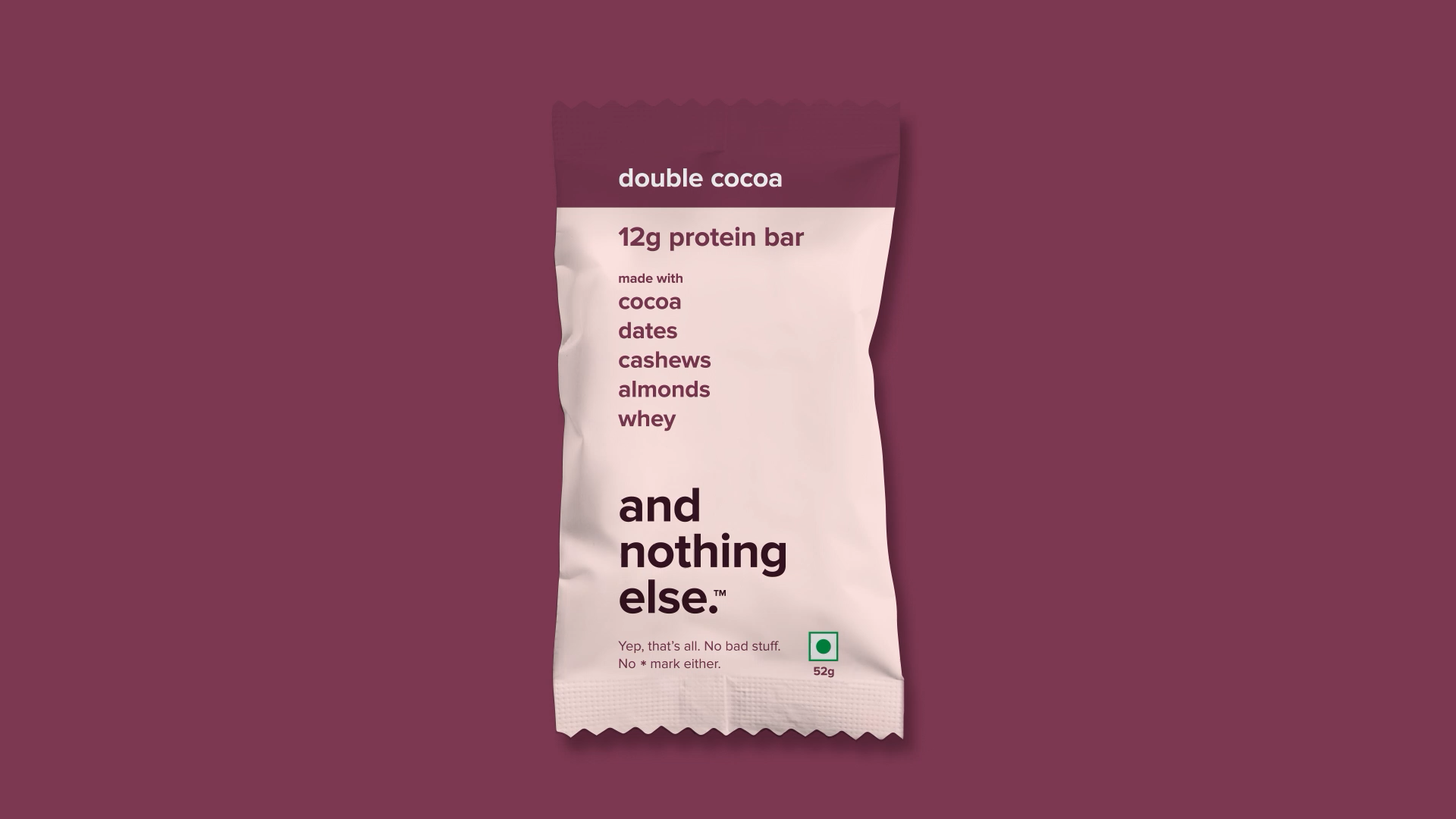
Their posts were different. Not "different" in the way marketers use that word to describe anything slightly unusual. Actually different. They were educating people, calling out misleading labels, and their packaging had every ingredient listed on the front in big, bold text. No hiding. No asterisks. No fine print.
I was immediately sold. Ordered their protein bars. Loved them. Started following everything they did. And then they disappeared!
Well, not exactly. But they went quiet for a while, and I remember feeling genuinely sad about it. Like, why do good things have to end? But they came back, and when they did, they came back as something bigger. During the lockdown, the team had done some serious soul-searching. They realised they weren't just in the business of selling clean food. They were in the business of telling the truth about food. So they rebranded from "And Nothing Else" to "The Whole Truth." They even sent personalised letters to 20,000 existing customers explaining why. Not an email blast. Letters.
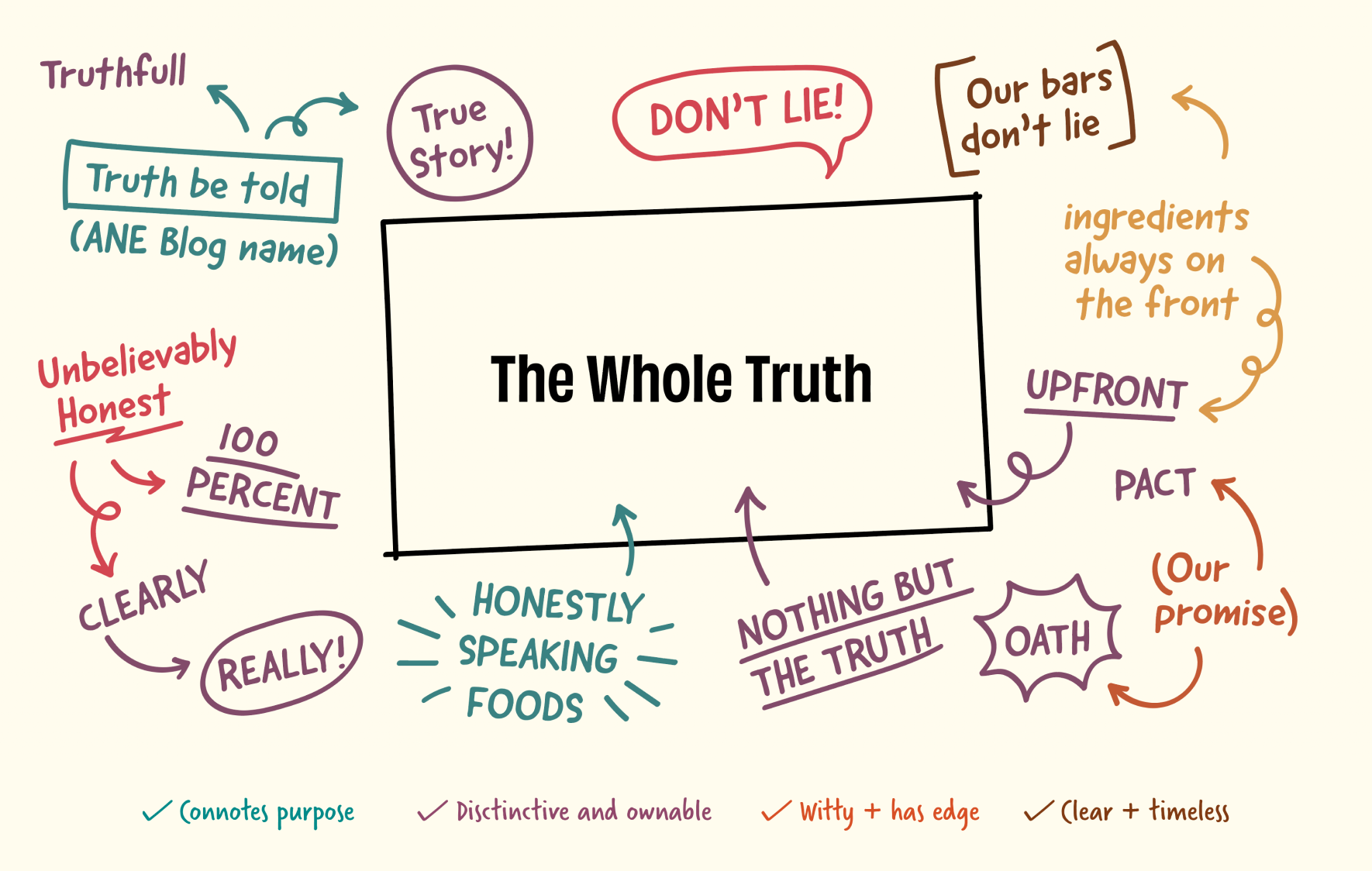
That's the moment I knew this wasn't just a food brand with good marketing. This was a brand that understood words. And as a copywriter, that's the thing that gets my attention more than anything else.
So let me do what I do best, break down exactly why their copy works.
How The Whole Truth Uses Copy as Rebellion
The founder, Shashank Mehta, once described the brand's entire messaging strategy in a way that I think every copywriter should have pinned to their wall:
"If they use sexy models, we will use an un-sexy founder. If they put food porn on the pack, we will not put any photo. If they make tall claims with star marks, we won't make any claim at all. If they hide ingredients in a microscopic font at the back, we will declare them in a big bold font upfront."
Read that again. That's not just a branding brief. That's a copywriting constitution. Every word this brand writes flows from this one decision: do the opposite.
And this is the first real lesson. The Whole Truth didn't sit down and ask "What should our brand voice sound like?" They asked a better question: "What does everyone else sound like, and how do we sound nothing like them?"
Most food brands talk at you. TWT talks with you. Most brands polish their copy until it gleams. TWT leaves theirs a little rough, a little conversational on purpose. That roughness is what makes you trust them.
The Whole Truth Packaging: Where the Copy Does the Selling
This is where things get interesting for anyone who cares about the craft of writing.
Pick up any protein bar from a supermarket shelf. Most brands will show you a muscular person, a bold "20g PROTEIN" claim with an asterisk, and ingredients in a font so small you'd need a magnifying glass. The Whole Truth does none of that.
Their packaging lists every single ingredient on the front. Not the back. The front. In big, readable text. With percentages.
Cashew Nuts (35%), Dates (27%), Raw Whey Protein (17%), Cocoa (11%), Almonds (10%).
That's the packaging. No lifestyle imagery. No aspirational nonsense. Just food, telling you what it's made of.
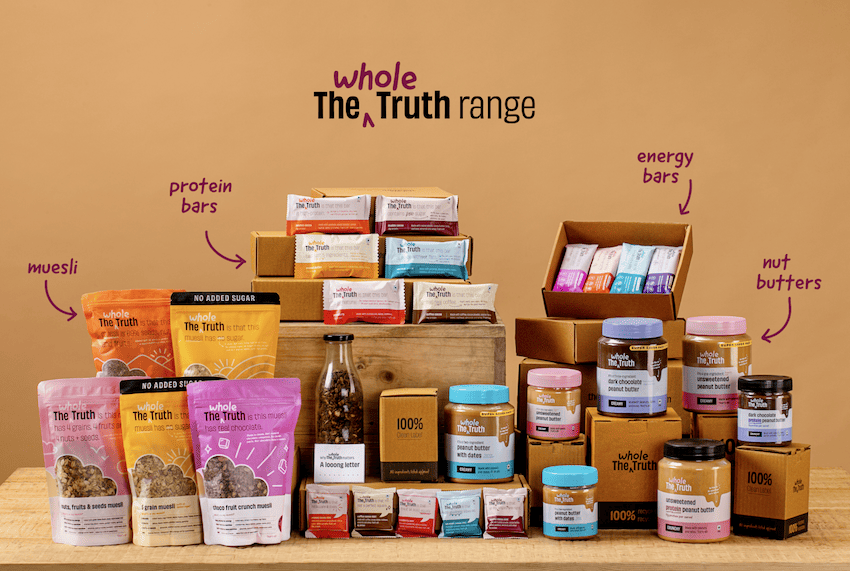
Now here's the copywriting insight most people miss. By refusing to make claims, they made the most powerful claim possible: "We have nothing to hide." The absence of marketing speak became the marketing. The format is the message.
Their protein bar packaging even has lines like: "High protein as high as it should be. Any more and it'd give you gas. We hate gas." That's not something you read on a Yoga Bar. That's a human being talking to you through a wrapper.
And their peanut butter label is even more brutal: "Beyond this one ingredient, this peanut butter contains... NOTHING."
That line does more work than a hundred "all-natural" stickers ever could. I remember reading it in early 2020 during my ingredient-obsessed phase at HealthKart, and thinking, finally, a brand that gets it.
The Whole Truth Website Copy: Casual, Smart, Self-Aware
Go to their website and scroll all the way to the bottom. Past the products, past the blog links, past everything. You'll find this:
"You've hit rock bottom. Things usually improve from here."
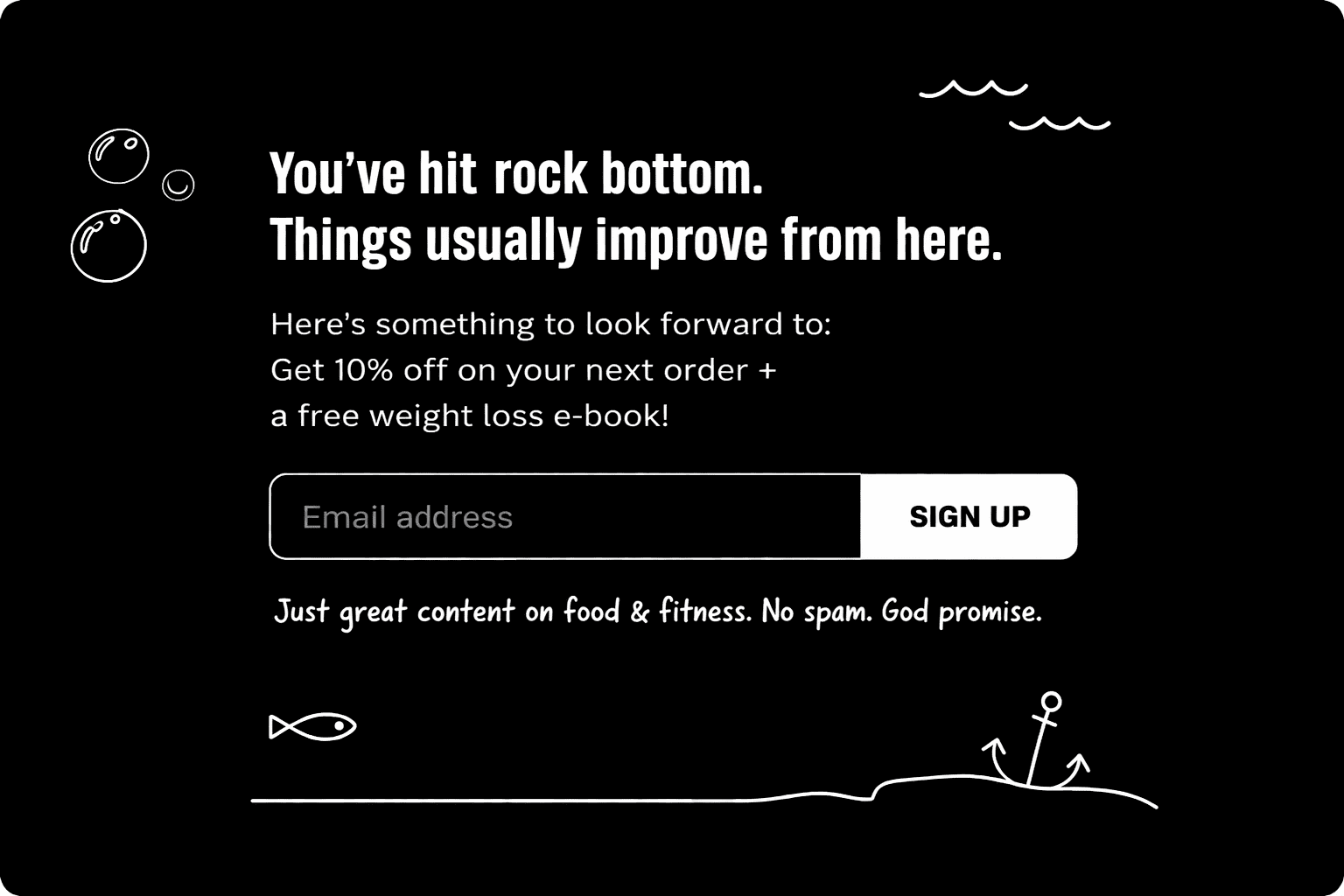
That's their footer copy. No desperate discount code. No aggressive email signup pop-up. Just a line that makes you exhale and think, "Okay, I like these people."
Their website headlines follow a similar rhythm, short, punchy, almost too honest:
-
"Cleanest plant protein. Ever."
-
"Mini. Yet mighty."
-
"Real nuts. Unreal taste."
But then there's this gem:
"And those flaws are perfect! Our food doesn't always look perfect. (But it tastes great!) Proof that we didn't tamper with nature."
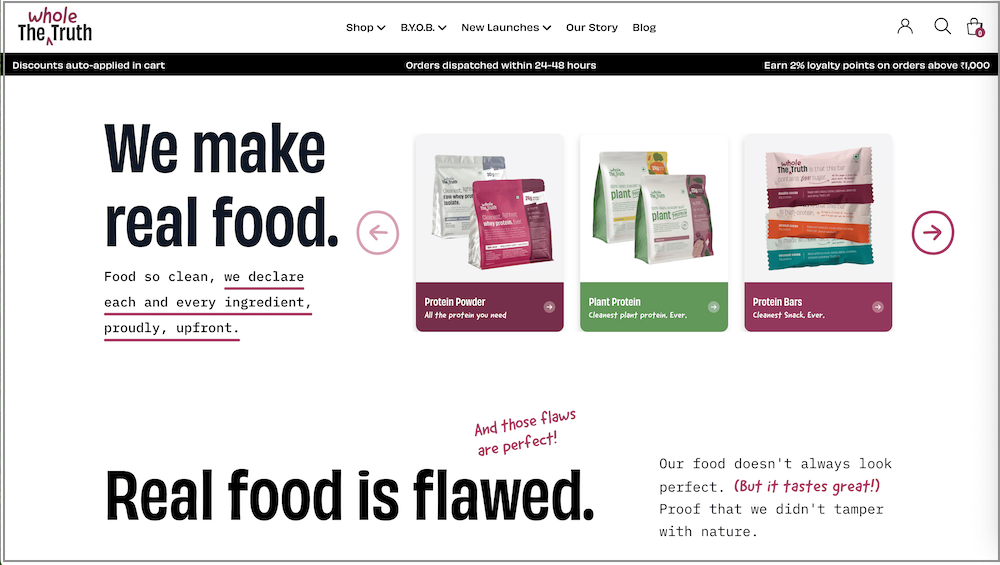
This is advanced copywriting. They turned a potential complaint that the product looks uneven and imperfect into proof of authenticity. The flaw is the feature. That takes guts and brains in equal measure.
They also have a line on the website that says: "Found an ingredient you can't pronounce? Allow us to help."
That's not a product page. That's a trust-building machine disguised as a product page.
The "Your Food Is Screwed" Campaign: When Copy Replaces Budget
Their first-ever ad campaign cost around ₹3.5 to 4 lakhs. No agency. No models. No studio lighting. Just the founder standing in his own production facility, talking directly into the camera.
The result? 80,000 organic views in two days before any paid promotion. A 50% jump in sales from their own website. And consumers started searching for the products on Amazon before they were even listed there. So TWT finally gave in and listed on Amazon, pulled by consumer demand rather than pushed by strategy.
But look at the copywriting choice behind this. Most brands would say, "Our food is great." TWT said, "Your food is screwed." They didn't lead with themselves. They led with the problem and framed it so sharply that anyone watching immediately thought, "wait, is MY food screwed too?"
That's the difference between feature-led copy and problem-led copy. One tells you what the product does. The other makes you question everything you're currently using.
And by choosing the founder over a model, they made another copy decision, even though no words were involved. The messenger became the message. As Shashank himself put it: "When you don't have a beautiful face to look at, you focus on the message and not on the person delivering it." The casting was itself a form of copywriting.
The Rebrand: How They Turned a Name Change into a Love Letter
When TWT rebranded from "And Nothing Else" to "The Whole Truth" during the lockdown, they didn't just change the logo and move on.
They sent personalised letters, actual, physical-feeling letters to 20,000 existing customers explaining why the name changed. In their own blog post announcing it, the founder wrote:
"We've never really been in the business of selling you and nothing else.' We've been in the business of telling you The Whole Truth."
That line reframes the entire brand history. It makes the rebrand feel not like a pivot, but like an inevitability. Like the brand was always meant to be called this, it just took them a while to realise it.
From a copywriting perspective, this is how you handle a brand transition. You don't apologise for changing. You make the audience feel like they were part of the journey that led to the change. The letter wasn't a notification. It was an invitation to witness a renewal.
The Whole Truth Community: Not Selling. Just Talking.
TWT runs a WhatsApp group called Truth Seekers. They have a newsletter called Truth Be Told, read by 50,000+ people. A podcast called The Whole Truth Project. And an AI tool called TruthGPT for answering nutrition questions.
Notice the naming system. Truth Seekers. Truth Be Told. TruthGPT. The Whole Truth. Every single touchpoint reinforces one word: truth. That's not accidental. It's a naming architecture built around a single idea, and it works because it's consistent without feeling forced.
But the smarter thing is what happens inside these channels. They don't sell. They educate. They bust food myths. They explain what maltodextrin actually is. They help you read labels, the exact same skill I learned at HealthKart, the skill that made me notice this brand in the first place.
This is the long game of copywriting. Instead of convincing you to buy their protein bar, they teach you to distrust every other protein bar. Once you distrust everything else, where do you go? To the brand that taught you to see clearly.
That's not manipulation. That's earned authority. Built entirely on words.
What Stayed With Me
After looking at all of this, one thing became clear to me. This brand isn’t just selling clean food. It’s showing you how to look at food differently. How to question labels. How to notice what’s being said, and what’s being quietly hidden. The Whole Truth isn’t a perfect brand. Their products are premium-priced, and ₹100 for a protein bar won’t work for everyone. Like most strong brands, they’re not trying to be for everyone either. But that’s not really the point.
This is about the words. And the words are exceptional.
They found a way to make honesty interesting. To turn ingredient lists into something worth reading. To build trust without trying too hard to sound trustworthy. As someone who started reading labels out of necessity, first for my health, then for my work, I didn’t just notice what they were selling.
I noticed how they were saying it. And that’s what stayed. Honestly?
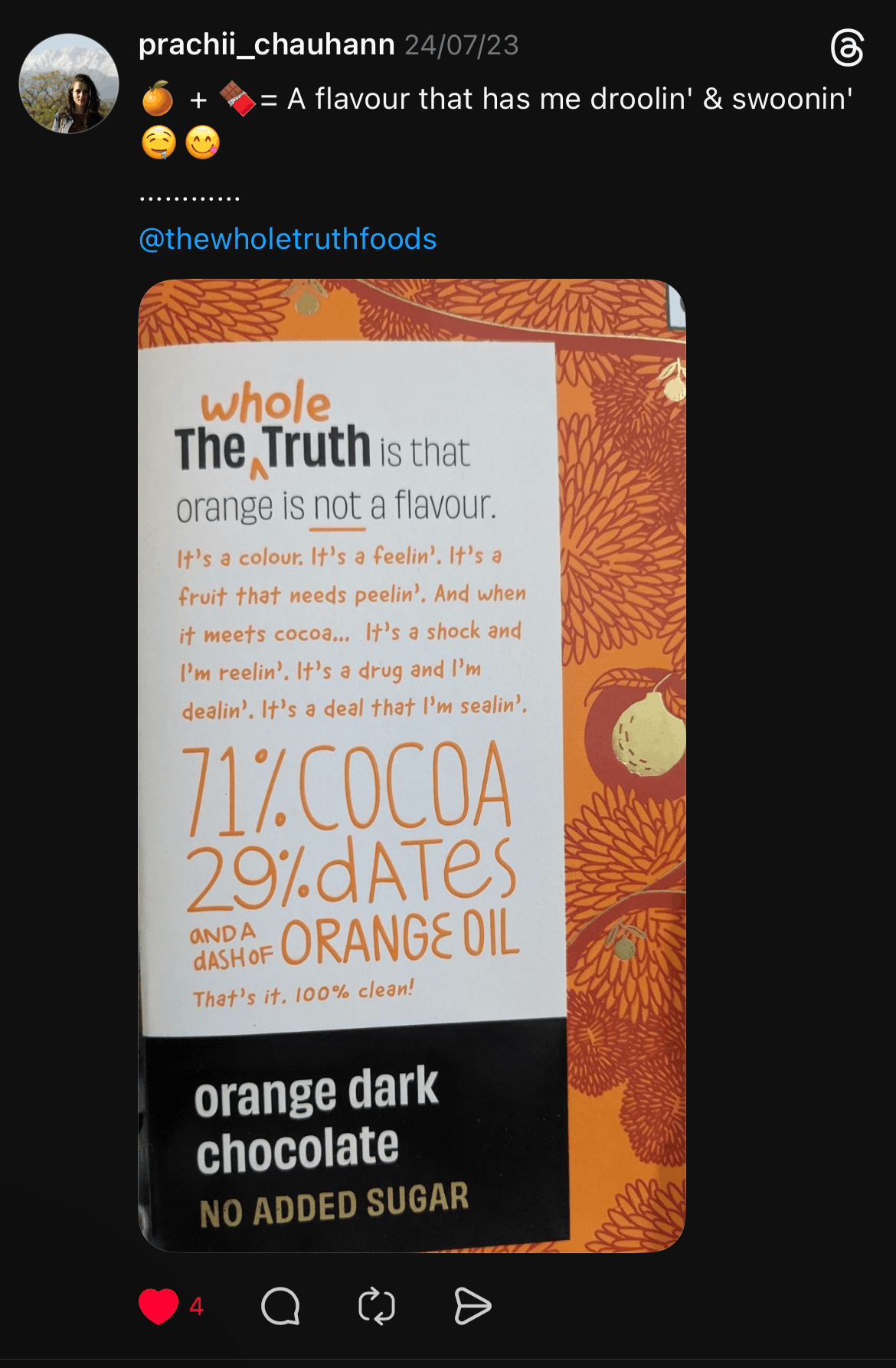
They did it by telling the truth. The whole truth. And nothing else.